
Art exhibitions are designed to do more than display creative works. The Aether gallery hosts an eclectic art collection appealing to the discering eye. They create experiences that engage visitors visually, emotionally, and intellectually. Among the many forms of art presented in galleries and museums, paintings often play a central role in shaping how people experience an exhibition. The colors, themes, scale, and arrangement of paintings influence visitor reactions from the moment they enter the space. Every painting contributes to the atmosphere and direction of the exhibition. Understanding how paintings affect visitor experiences helps explain why curators carefully select and position artworks to create meaningful connections between art and audience.
Creating First Impressions
 The first paintings visitors encounter often establish expectations for the entire exhibition. Large-scale works, bold colors, or emotionally powerful subjects can immediately capture attention and set the tone for what follows. Visitors frequently form opinions about an exhibition within the first few moments of entering the gallery. Paintings placed near entrances often act as visual introductions. They help prepare visitors for the themes, styles, or historical periods presented throughout the exhibition. A strong opening artwork can encourage curiosity and motivate visitors to explore the remaining collection more carefully.
Influencing Emotional Responses
Paintings have a direct impact on emotions. Color palettes, brushwork, subject matter, and composition all contribute to how viewers feel while observing an artwork. Bright and energetic paintings may create feelings of excitement or optimism. Darker works can encourage reflection or contemplation. Different visitors may respond differently to the same painting, but emotional engagement remains an important part of the exhibition experience. When exhibitions include emotionally engaging paintings, visitors often spend more time examining the works and considering their meaning. This emotional connection helps create memorable experiences that extend beyond the gallery visit itself.
Guiding Movement Through Spaces
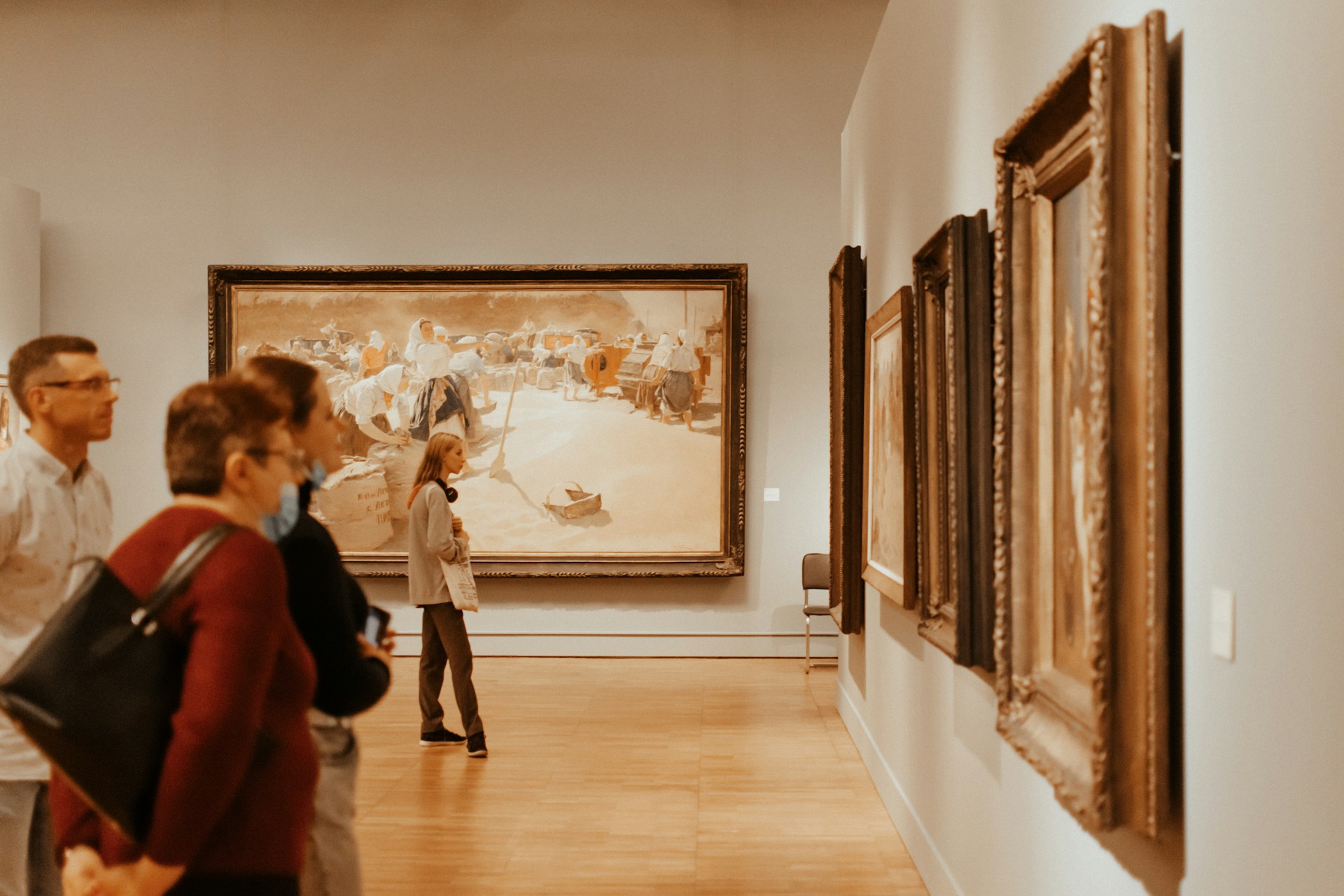
Paintings influence how visitors move throughout exhibition spaces. Curators often arrange artworks in ways that encourage natural movement from one section to another. Visual focal points can draw attention toward specific areas of a gallery. Large paintings frequently act as anchors that guide visitor flow. Smaller works may create quieter viewing areas where people pause and spend more time observing details. The placement of paintings affects pacing as well. Some exhibitions encourage slow exploration, while others create a more dynamic sense of progression. Thoughtful arrangement helps visitors navigate the exhibition without feeling overwhelmed or distracted.
Supporting Storytelling
Many exhibitions are built around stories, themes, or historical narratives. Paintings play an important role in communicating these ideas. Curators often select works that connect visually or conceptually. Together, the paintings create a broader narrative that unfolds as visitors move through the exhibition. For example, an exhibition may explore cultural identity, environmental change, or artistic development across different periods. Each painting contributes part of the story. Visitors gain a deeper understanding of the exhibition when they view paintings as connected elements rather than isolated pieces. This approach helps create stronger engagement and encourages thoughtful interpretation.
Encouraging Personal Interpretation
One reason paintings remain powerful within exhibitions is their ability to invite personal interpretation. Unlike some forms of communication that provide direct explanations, paintings often leave room for individual perspectives. Visitors bring their own experiences, memories, and beliefs into the viewing process. As a result, the same painting can generate different reactions among different people. This personal engagement creates a more interactive experience. Visitors are not simply observing art. They are actively participating in meaning-making. The ability to encourage reflection and conversation gives paintings a distinctive role within exhibition environments.
Strengthening Lasting Memories
Paintings often become the most memorable elements of an exhibition. Strong visual imagery tends to remain in a visitor’s mind long after the visit has ended. A single painting may represent the entire exhibition experience for some visitors. Memorable artworks can inspire further learning, future gallery visits, or conversations with others. They may also influence how people think about certain topics or artistic styles. Curators understand the importance of creating lasting impressions. This is why painting selection and presentation receive careful attention during exhibition planning. When visitors leave with vivid memories of specific works, the exhibition achieves a deeper and more lasting impact.
Paintings play a vital role in shaping visitor experiences within art exhibitions. They create first impressions, influence emotions, guide movement, support storytelling, encourage personal interpretation, and strengthen lasting memories. Their impact extends beyond visual appeal alone. Through thoughtful selection and placement, paintings help transform exhibitions into meaningful experiences that engage visitors on multiple levels. Every artwork contributes to the overall atmosphere and message of the exhibition. As galleries and museums continue developing new ways to connect with audiences, paintings remain powerful tools for communication, reflection, and engagement. Their ability to shape how visitors experience art ensures they will continue to hold a central place in exhibitions around the world.