
Protecting your home’s electronics from power surges is essential for safety and longevity, especially in today’s tech-driven households. A good surge protector can prevent costly damage to computers, appliances, and entertainment systems. When selecting the right model, it’s helpful to compare Pennsylvania electricity rates to understand potential risks associated with fluctuating power and regional energy stability. Factors like joule rating, response time, and outlet capacity should guide your choice, ensuring your devices remain safe during unexpected spikes. By choosing wisely, homeowners can safeguard their investments and enjoy peace of mind knowing their home setup is well-protected against electrical hazards.
Consider the Number of Outlets
The number of outlets on a surge protector affects both convenience and safety. Multiple devices may need protection simultaneously, so choose a unit that accommodates your current and future needs. Avoid daisy-chaining multiple surge protectors, as this can increase the risk of overheating. A well-planned layout ensures all essential electronics are covered without creating clutter or safety hazards. Balancing outlet capacity with your home’s requirements makes your setup more efficient.
Look for Safety Features
Modern surge protectors come with a variety of safety features. Indicators like LED lights can show whether protection is active, while built-in circuit breakers provide an extra layer of defense against overloads. Some models offer protection for phone lines, coaxial cables, or USB ports. Paying attention to these features helps you select a surge protector that addresses all potential entry points for power surges, ensuring comprehensive coverage for your home setup.
Check Response Time and Clamping Voltage
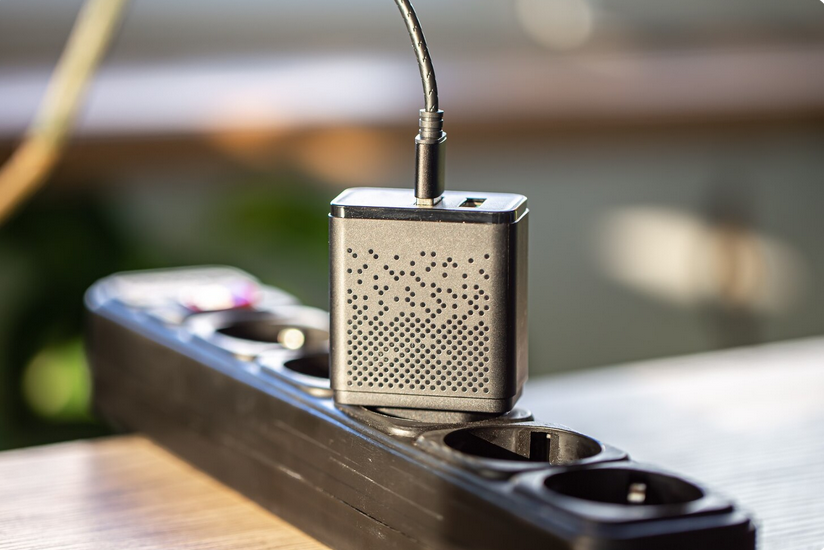
Response time and clamping voltage are crucial technical specifications. A faster response time ensures the surge protector reacts almost instantly to spikes, minimizing potential damage. Clamping voltage indicates the voltage level at which the device starts diverting excess electricity away from connected electronics. Lower clamping voltage generally offers better protection for sensitive equipment. Understanding these factors helps you choose a surge protector that responds efficiently and keeps your devices safe.
Consider Durability and Warranty
Durable surge protectors are built to last, with quality materials that withstand repeated surges over time. Look for units with warranties or connected equipment guarantees, which demonstrate the manufacturer’s confidence in their product. Investing in a reliable model reduces the likelihood of failure during a power surge and provides financial protection if connected devices are damaged despite the unit. Long-term durability ensures continuous, dependable protection.
Choosing the right surge protector for your home setup involves understanding joule ratings, outlet needs, safety features, response times, and durability. A well-chosen surge protector shields electronics from unexpected power spikes, prevents costly damage, and enhances the longevity of your devices. Taking time to evaluate your needs and the available features ensures your home remains safe and efficient, giving you confidence that your equipment is protected. Proper surge protection is a small investment with a big impact on your home’s safety and functionality.